


Few fabrics tell a story quite like Adire. Born from centuries of Yoruba craftsmanship, nearly lost to cheap imitations in the 20th century, and now at the centre of one of Nigerian fashion’s most significant shifts, Adire has gone from ceremonial cloth to runway staple — and its 2026 moment is proving to be more than just a passing trend.
What Exactly Is Adire?
Adire means “tie and dye” in Yoruba, and the name describes the process almost as well as the fabric itself. Traditionally produced and worn by the Yoruba people of southwestern Nigeria, the technique involves tying, folding, or stitching cloth before dyeing it — most iconically in deep indigo — using starch-resist methods that block dye from reaching certain sections of fabric. The result is a striking, one-of-a-kind pattern in indigo and white, with every piece carrying the imprint of the artisan who made it.
The craft is centred in Abeokuta, Ogun State, where generations of Yoruba women developed and refined the dyeing techniques that define the fabric today. That heritage very nearly disappeared: through much of the 20th century, cheaper, machine-printed imitations flooded the market and pushed the traditional hand-dyeing craft to the brink of collapse.
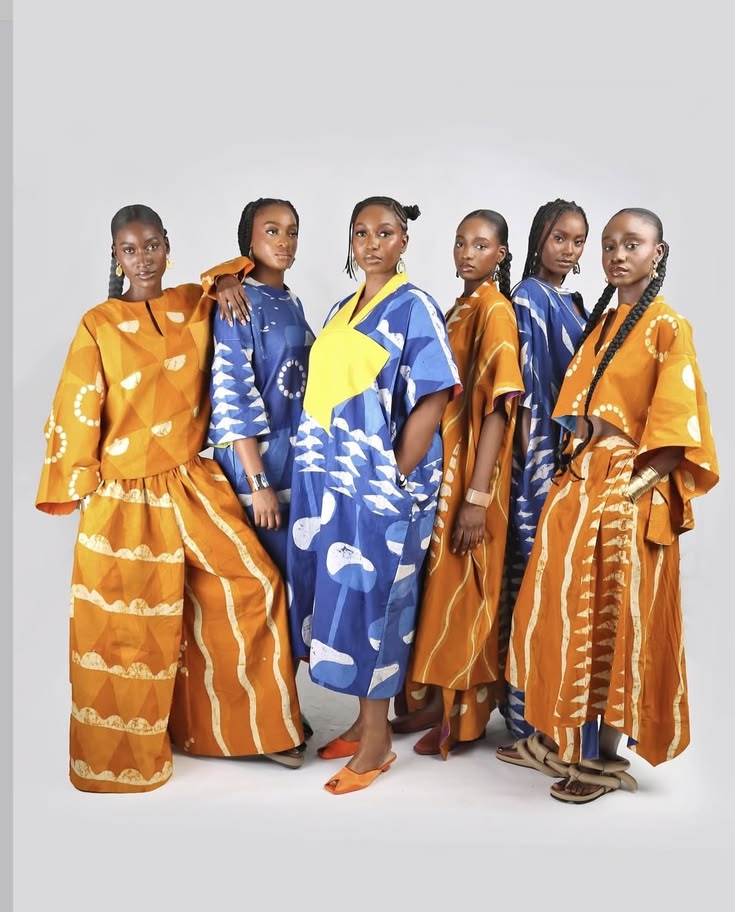
From Near-Collapse to Designer Runways
What’s happening to Adire now looks less like nostalgia and more like a deliberate industry strategy. Nigerian designers have spent 2026 moving away from imported fabric altogether, and Adire — alongside Aso-Oke — has shifted from being an occasional accent to a primary material for entire collections. Labels such as Emmy Kasbit and Onalaja have built their identities around sourcing directly from local weavers and dyers, treating indigenous textiles not as a seasonal nod to culture but as a long-term supply chain decision.
The economics behind the shift are as important as the aesthetics. A devalued naira has made imported fabric — Italian wool, Chinese lace, and the like — considerably more expensive, while local textile production offers Nigerian designers a way to control cost, sourcing and authenticity all at once. Demand has grown so quickly this year that the local supply chain is reportedly struggling to keep pace, with hand-dyed Adire now commanding higher prices specifically because of its authentic, handmade provenance rather than in spite of it.
Beyond Ceremonial Wear
Perhaps the clearest sign of Adire’s transformation is where it’s now showing up. Once largely confined to ceremonial and occasion wear, the fabric has moved firmly into everyday contemporary fashion, appearing in bomber jackets, cargo pants, mini dresses and denim hybrids. That range matters: Adire’s appeal now spans from casual weekend wear to statement runway pieces, with designers finding ways to translate a centuries-old dyeing technique into silhouettes that read as thoroughly modern.
This willingness to experiment with form, while keeping the traditional indigo dyeing process intact, is a big part of why the fabric has found renewed relevance rather than being treated as a museum piece.
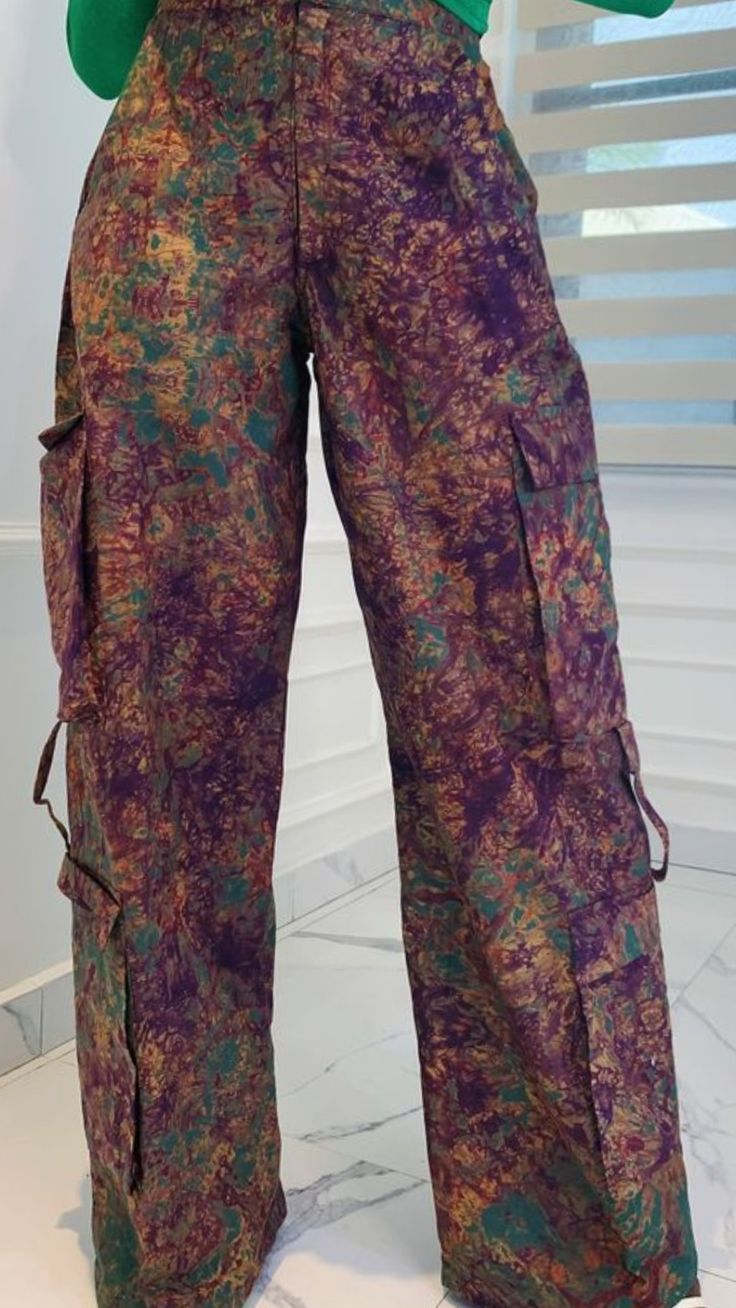
An Economic Story as Much as a Cultural One
The Adire revival isn’t only reshaping wardrobes — it’s creating real economic opportunity. Growing demand has translated into more work for local artisans and dyers, a workforce made up largely of women, helping build a more sustainable, ethically grounded fashion ecosystem around fair trade and local craftsmanship. Nigerian designers are increasingly exporting Adire-based collections to international fashion weeks and retail markets, positioning what was once a strictly regional fabric as a genuine global export.
That global interest fits into a broader picture of a Nigerian fashion industry projected to keep growing at a healthy pace over the coming years, driven in large part by exactly this kind of fusion between traditional African textiles and contemporary global style.

Why It’s Resonating Now
Adire’s 2026 renaissance sits at the intersection of several forces working in its favour at once: a young, digitally engaged consumer base proud to wear cultural identity rather than hide it; an economic climate pushing designers toward local sourcing; and a global fashion audience increasingly drawn to authenticity and craftsmanship over mass production. Rather than being reduced to a trend cycle, Adire is being treated by many of Nigeria’s most ambitious designers as infrastructure — a fabric worth building a business, and a broader industry, around.

For a textile that nearly disappeared a few decades ago, that’s a remarkable turnaround. And if the current momentum holds, Adire’s story in 2026 may end up being remembered less as a fashion moment and more as the year Nigerian fashion fully reclaimed its own materials.
