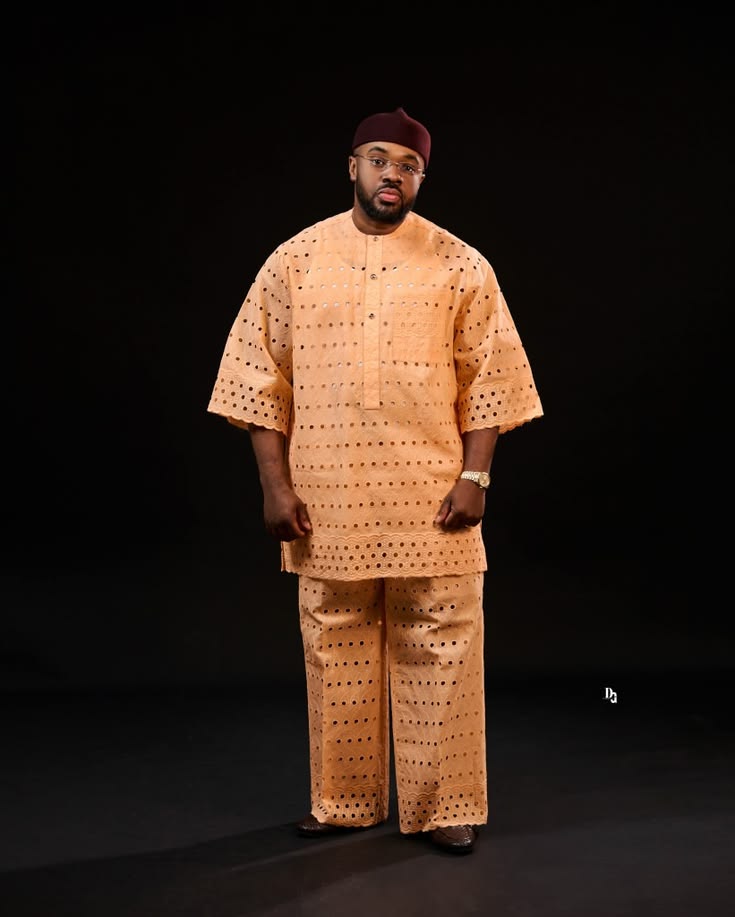
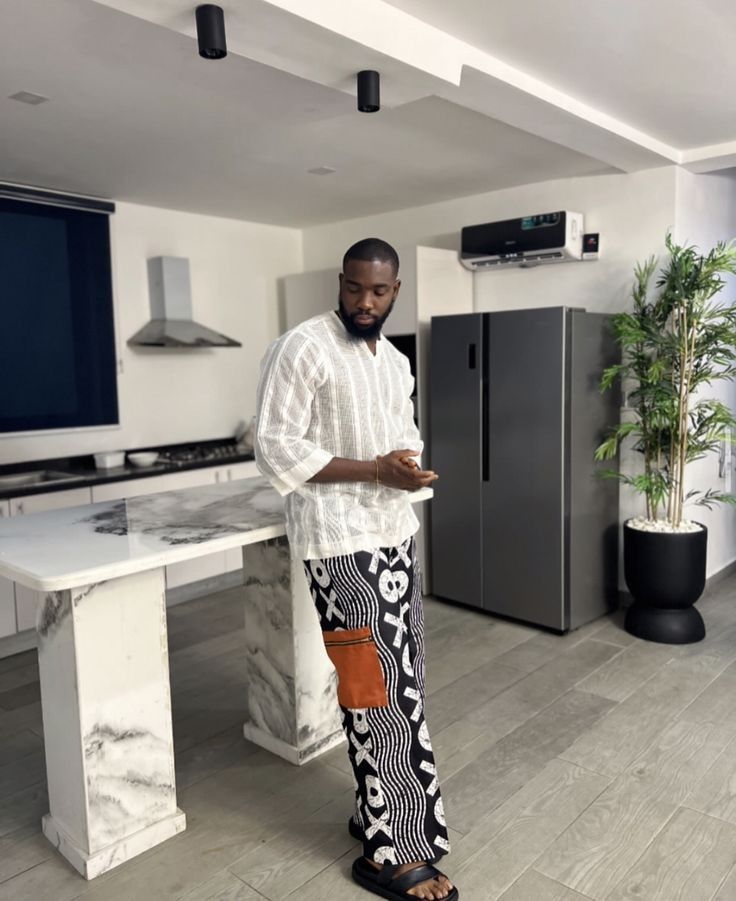
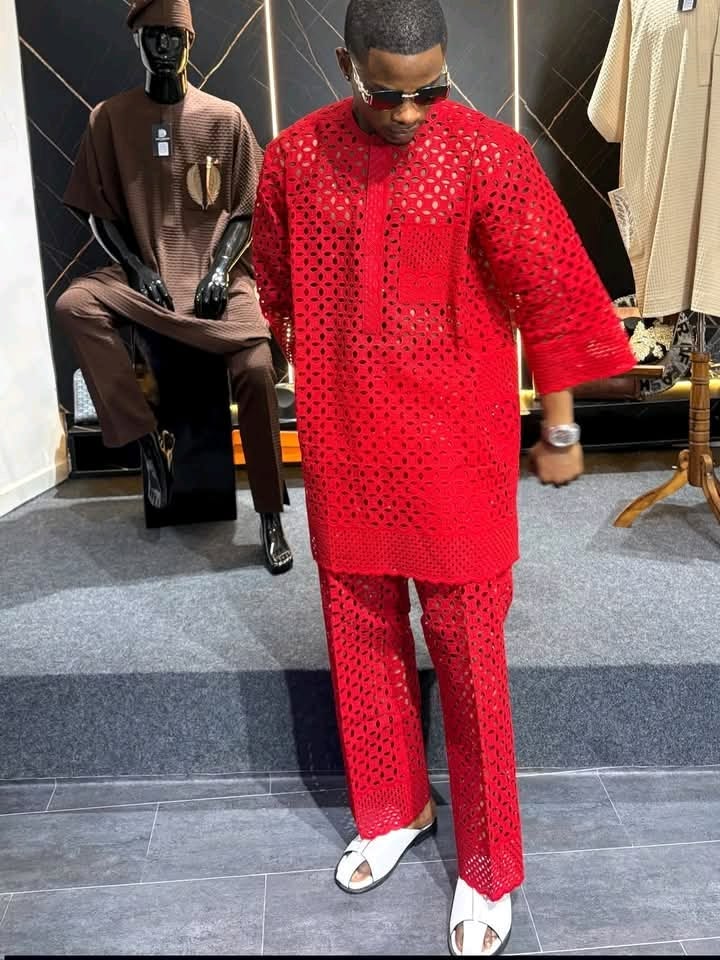
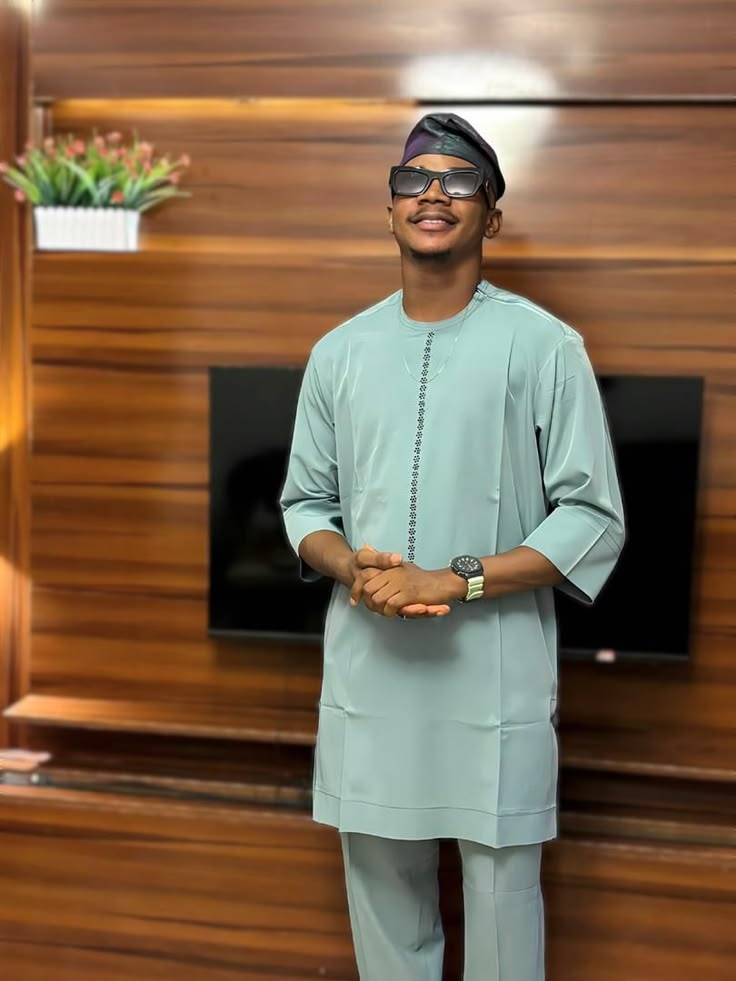
Nigerian menswear is having one of its most confident years yet. Across Lagos, Abuja and beyond, men are increasingly blending centuries-old native attire with modern tailoring, sharper silhouettes and bolder accessories — proving that traditional wear and contemporary style are no longer separate categories, but two sides of the same wardrobe. Here’s a look at the styles defining how Nigerian men are dressing in 2026.
Senator Styles Remain King
Few outfits have held their ground quite like the senator style. Named after its association with the political class, the look remains a byword for class and sophistication — sharp, tailored, and versatile enough to move between formal functions and everyday smart-casual wear. In 2026, the appeal hasn’t faded; if anything, designers are refining the fit even further, favouring cleaner lines and subtler detailing so the outfit reads as effortlessly polished rather than stiff.
The Agbada Gets a Modern Makeover
The agbada — the wide-sleeved, flowing robe with roots in Yoruba culture — continues to be a wardrobe essential, but the 2026 version looks noticeably different from its predecessors. Where the robe was once floor-sweeping and heavy, today’s tailors are opting for sleeker shoulder cuts and trimmed volume, giving the garment a more contemporary silhouette without stripping away its sense of occasion. Bold colourways are having a real moment too: mustard yellow, beige and classic red are all trending, typically finished with a matching fila (cap) and leather shoes. The agbada remains especially prominent at weddings, where grooms and senior family members lean on it as a marker of prestige.
Dashiki, Reworked
The dashiki — shorter than the agbada and instantly recognisable by its front pockets — has moved well past its plain, monochrome roots. This year’s designs feature chic geometric chest embroidery, subtle asymmetrical plackets and more structured fabrics, giving what was once a simple garment a noticeably sharper, more fashion-forward edge. It remains a flexible piece, worn with or without a cap and paired with either full-length trousers or shorts depending on the occasion.
Atiku Styles for Understated Elegance
For men who prefer simplicity over embellishment, the Atiku native style continues to hold its own. Closely related to the senator look but typically shorter-sleeved and lighter on embroidery, it’s built around clean lines and a body-fitting finish, usually rendered in navy blue, black or white with matching trousers. It’s the kind of outfit that photographs as effortlessly smart without trying too hard — a favourite for men who want to look put-together without leaning into anything too flashy.
Black-and-White Remains a Safe Bet — and a Bold One
Simple doesn’t have to mean forgettable, and nowhere is that clearer than in the continued popularity of black-and-white outfits. Whether black dominates with white accents or the reverse, the combination remains one of the most reliably stylish choices in native wear, offering contrast and sophistication without the need for elaborate patterns.
Wedding Season Is Pushing Boldness Further
Nigerian grooms in particular are dressing with more confidence than ever. 2026’s wedding fashion sees men matching the boldness once reserved for female guests — coordinated colours and fabrics with partners and groomsmen have become a genuine trend, creating a unified, photo-ready look across the whole bridal party. Agbadas remain the centrepiece for grooms and older relatives, while younger guests and groomsmen are increasingly choosing more contemporary native cuts that strike a balance between tradition and modern tailoring.
Accessories Are Doing More Work Than Ever
No native outfit in 2026 is considered complete without the right finishing touches. Statement watches — often oversized, in both classic and modern designs — have become a genuine style signal, while beaded or leather bracelets and metallic cuffs are increasingly common additions. Caps, sunglasses and well-chosen leather shoes round out a look that, at its best, feels deliberate down to the last detail.
Why Native Wear Keeps Winning
Perhaps the most telling shift in Nigerian menswear isn’t any single style — it’s how central native attire has become across generations. It’s now rare to find a Nigerian man, young or old, whose wardrobe doesn’t include at least a few native pieces, even among professionals who wear Western fashion for most of the working week. Part of the appeal is practical: native fabrics can be tailored to individual taste far more easily than most Western pieces, and Nigerian designers have built up real expertise in getting the fit and finish right. Cultural expectation plays a role too — birthdays, traditional weddings and naming ceremonies all but call for native wear regardless of age — and the styles themselves tend to flatter a wider range of body types than fitted Western suits ever could.
The Bottom LineNigerian men’s fashion in 2026 isn’t about choosing between tradition and trend — it’s about blending them with intention. Whether it’s a crisp senator suit for the office, a reworked agbada for a wedding, or a sharply embroidered dashiki for a casual outing, the common thread running through this year’s best looks is confidence: bold colours, considered accessories, and tailoring that respects heritage while still feeling current.