

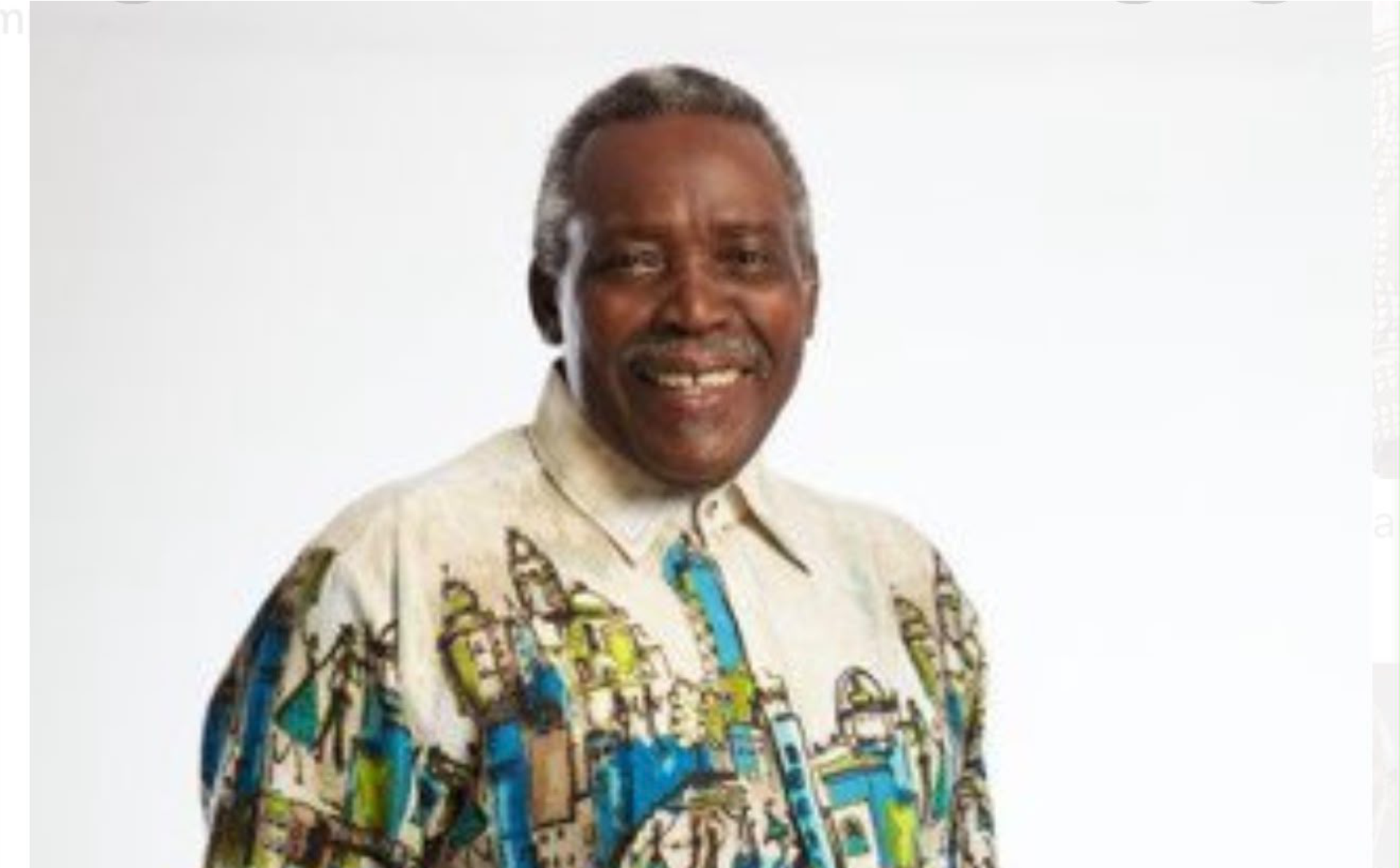
Olu Jacobs, the distinguished Nigerian actor whose commanding voice, memorable performances and commitment to nurturing talent made him one of African cinema’s most respected figures, has died at the age of 84.
His son, Olusoji Jacobs, announced his death on Wednesday, September 16, 2026, through a family statement posted on Instagram. The announcement identified the veteran actor as “The Lion of Lufodo” and appealed for privacy as his family mourned. His passing closes a career that connected British theatre and international filmmaking with the development of Nigeria’s screen industry. Channels Television
For decades, Jacobs occupied a distinctive place in Nigerian entertainment: an actor whose presence could give a character authority before he delivered a line, and an experienced practitioner who committed his professional life to the growth of the industry at home. His work encompassed theatre, television, film and the training of emerging performers.
Born Oludotun Baiyewu Jacobs on July 11, 1942, to parents from Egba-Alake in Ogun State, he spent his formative years in Kano. At Holy Trinity School, his participation in drama and debating activities offered early opportunities to develop the confidence and expression that would later define his career.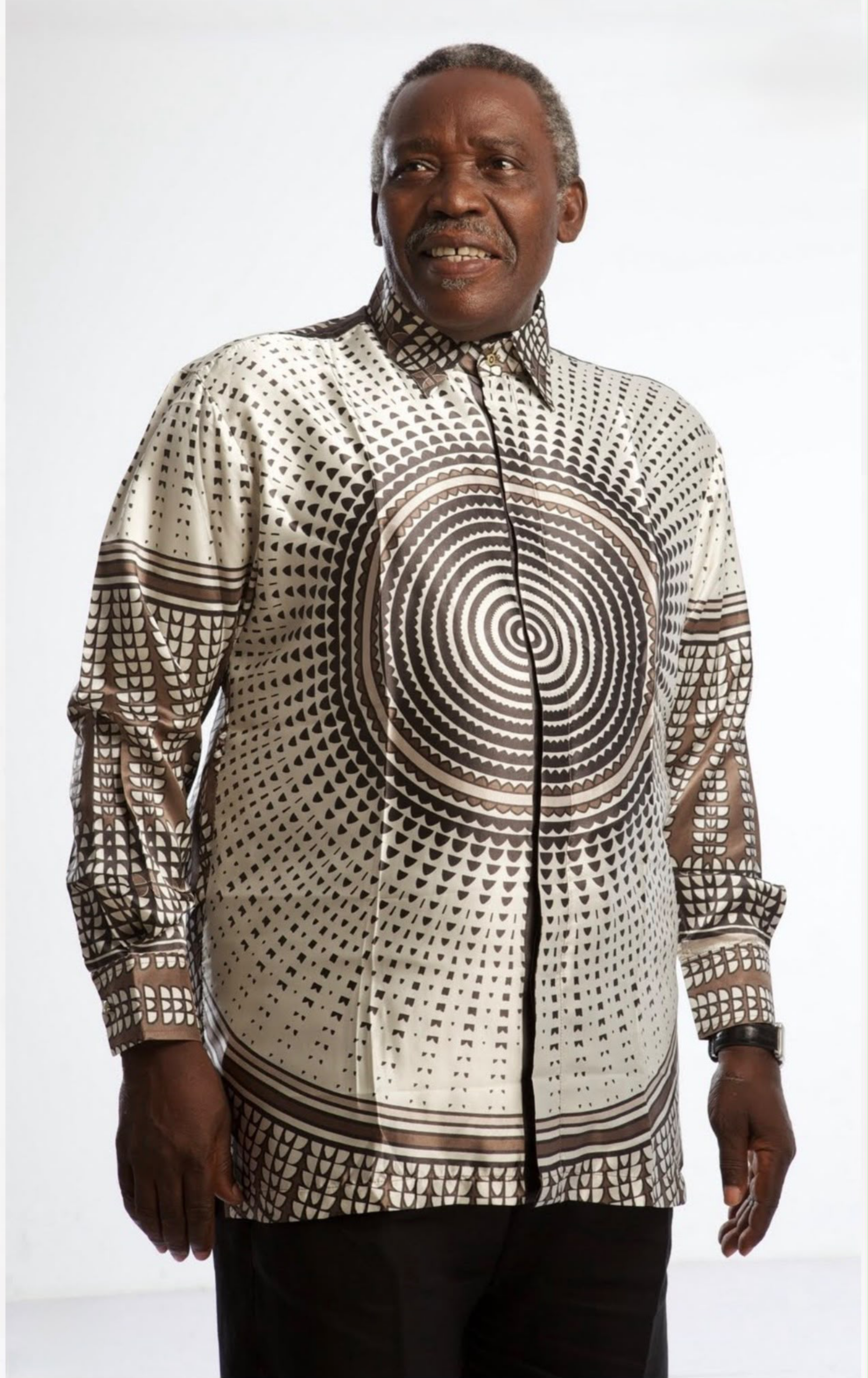
His interest in acting deepened after watching a performance by the celebrated theatre pioneer Hubert Ogunde in Kano. The experience helped set him on a path towards professional training, although his ambition initially encountered opposition from his father. Jacobs eventually travelled to England and studied at the Royal Academy of Dramatic Art in London. DAWN Commission
His career abroad developed through stage productions and British television. During the 1970s, his credits included The Goodies, The Tomorrow People and The Professionals. He also appeared in Tom Stoppard’s Night and Day, building experience in a demanding theatrical environment before becoming widely known to Nigerian film audiences.
International film roles followed. He appeared in The Dogs of War in 1980, Baby: Secret of the Lost Legend in 1985 and Pirates in 1986. These productions placed him within an international filmmaking landscape years before Nollywood developed its later global visibility. Golden Globes
His decision to return to Nigeria became central to his lasting influence. According to his official Lufodo biography, Jacobs left an established career abroad to contribute to the improvement of the Nigerian film industry. He brought the experience of international productions into local work, helping connect professional stage traditions with a rapidly developing screen culture.
Lufodo’s account of his career records work with major theatre and screen organisations, including the National Theatre and the BBC, alongside an extensive Nigerian filmography. That breadth of experience gave his career an unusual reach across countries, production systems and generations of performers. Lufodo Group
Within Nollywood, Jacobs became especially recognisable for portraying kings, traditional rulers and influential family figures. His royal roles included appearances in Royal Doom, Royal Destiny and Throne of Tears. A resonant baritone and deliberate delivery became defining features of his screen identity.
His work also extended beyond royal characters. Films such as Oloibiri and The Royal Hibiscus Hotel demonstrated the range of a career that continued into a newer era of Nigerian filmmaking. The latter premiered at the Toronto International Film Festival in 2017, placing one of Nollywood’s veteran performers within a production reaching an international festival audience. Golden Globes
The honours he received reflected both individual performances and decades of service. In 2007, Jacobs won the Africa Movie Academy Award for Best Actor in a Leading Role for Dancing Heart. He received the Industry Merit Award at the 2013 Africa Magic Viewers’ Choice Awards and was honoured with a Lifetime Achievement Award at the Africa International Film Festival in 2021. Nigeria also recognised his contribution with the national honour of Member of the Order of the Federal Republic. DAWN Commission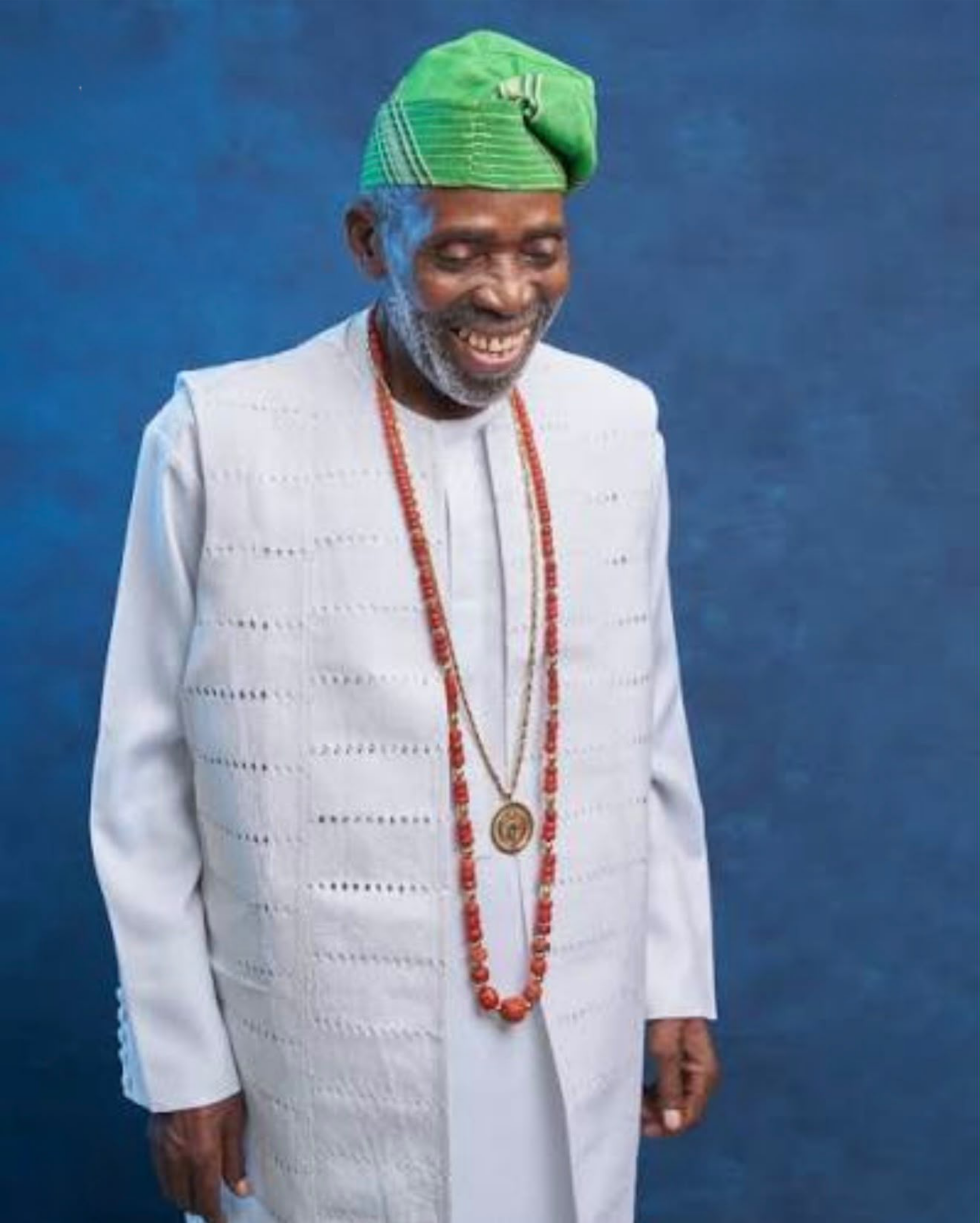
His contribution to entertainment extended into institution-building. Together with his wife, actress Joke Silva, Jacobs founded the Lufodo Group, encompassing production, distribution and performing arts education. Jacobs served as its chairman, linking his work as a performer with the practical development of opportunities for others. Lufodo Group
The group’s Lufodo Academy of Performing Arts became an important expression of that commitment. Its training activities and diploma programme in performing and media arts provided a structured route for aspiring practitioners to develop their abilities. This investment in education gave Jacobs’s contribution a life beyond his own appearances on screen: skills could be taught, standards passed on and younger talent prepared for professional work. Lufodo Group
In his later years, his health became a matter of public concern. Silva had disclosed that he was living with Lewy body dementia. The family’s death announcement did not specify a cause of death. The Guardian
Jacobs leaves a record of achievement that spans performance, professional training and the development of Nigerian entertainment. His career offers a view of the industry’s changing history—from theatre and broadcast television to the expansion of Nollywood and its international reach.
His place in African cinema rests on that sustained contribution. The performances remain available to future audiences; the institutions he helped establish continue the work of developing talent. Together, they preserve the legacy of an actor who devoted decades to telling stories and helping others acquire the skills to tell their own.
