

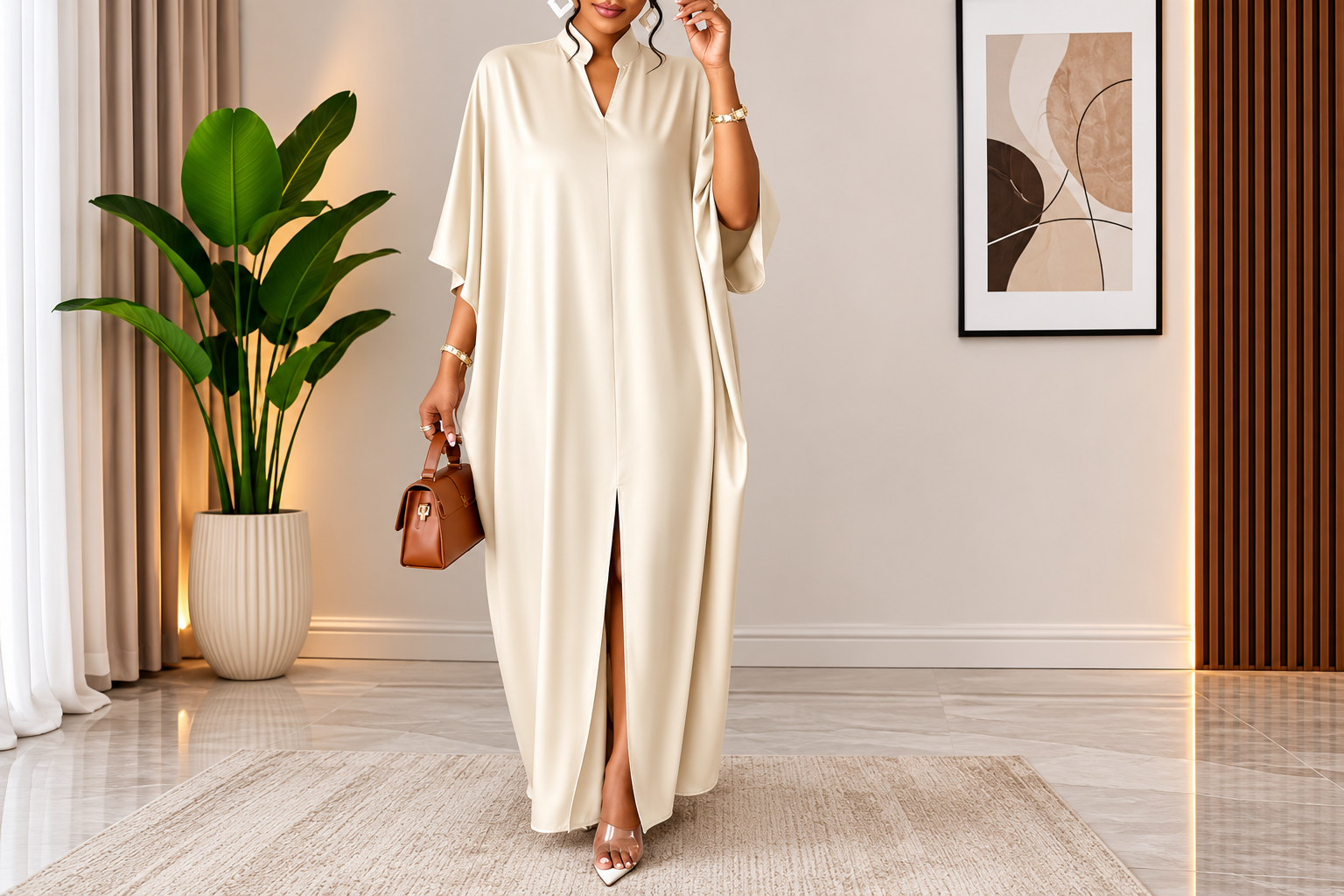
There’s a garment that has quietly moved from grandmothers’ Sunday-best wardrobes to the front lines of contemporary African fashion — and it’s not slowing down. The bubu gown, also known as the boubou, is having a defining moment in 2026, reimagined by designers across Nigeria and beyond as something equally at home in tradition and in trend.
A Garment Rooted in Heritage
The bubu’s story stretches back generations across West Africa, where the flowing, loose-fitting silhouette was originally designed for comfort in hot climates while still carrying an unmistakable air of dignity. It has long been a staple for religious and ceremonial occasions — Eid celebrations, Sunday services, naming ceremonies, and weddings — worn by women who understood that elegance didn’t need to be tight or restrictive to command a room.
What’s changed is how the garment is being interpreted. Where the bubu was once associated primarily with older generations and strictly traditional fabrics, today’s fashion-forward Nigerian women are reworking it in denim, silk, Aso-Oke and beyond, treating it less as a costume and more as a canvas for personal style.
What’s Driving the 2026 Comeback
Several forces are converging to push the bubu back into the spotlight. Social media has played an outsized role — platforms like TikTok, Pinterest and YouTube have turned bubu styling into genuine content categories, with tutorials on cutting, sewing and accessorizing the gown routinely pulling in strong engagement. Nigerian designers have used that visibility to showcase increasingly ambitious silhouettes, and diaspora communities in North America, Western Europe and the Middle East have followed close behind, driving demand for the look well beyond West Africa’s borders.
There’s also a shift happening in what buyers actually want. Modest-yet-dramatic fashion has found real traction among professional women in their late twenties through mid-forties, who are drawn to the bubu’s ability to be both covering and commanding at once — regal without being fussy, comfortable without reading as casual.
The Look, Reworked
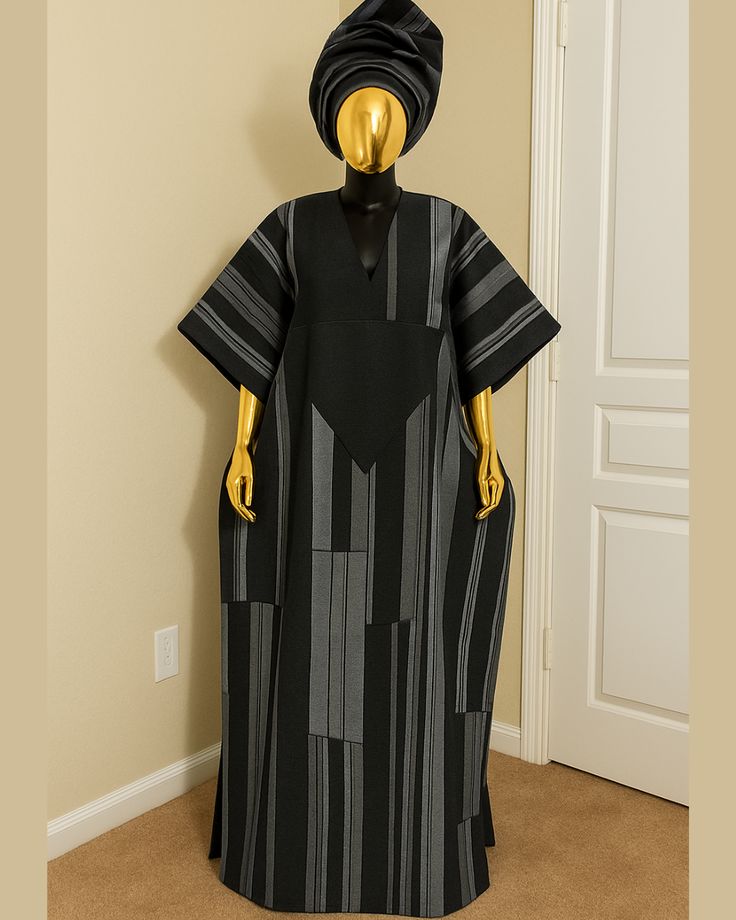
The defining features of the 2026 bubu speak to a broader “elevated” moment for the garment. Statement sleeves — oversized, ruffled, or dramatically batwing — have become close to a signature, alongside structural necklines in V-neck and square silhouettes that give the traditionally loose gown a sharper, more architectural feel. Hidden practical touches, like side pockets, are increasingly expected rather than a bonus. Some of the most talked-about pieces this year pair the gown with flowing trousers underneath, creating a hybrid silhouette that keeps the drama of the bubu while adding a more contemporary, layered finish.
Fabric choice has become just as important as cut. Heavier, textured cord lace — particularly in white, ivory and soft grey — has become the material of choice for formal occasions, prized for holding its shape through long events and resisting snags during dancing. For everyday wear, lighter cotton-lace blends are favored for breathability, while at the luxury end of the market, high-sheen brocades, metallic jacquards and hand-applied beadwork are defining what’s being called a “rich aunty” aesthetic: opulent, structured, and unapologetically dressed-up.
The Look, Reworked
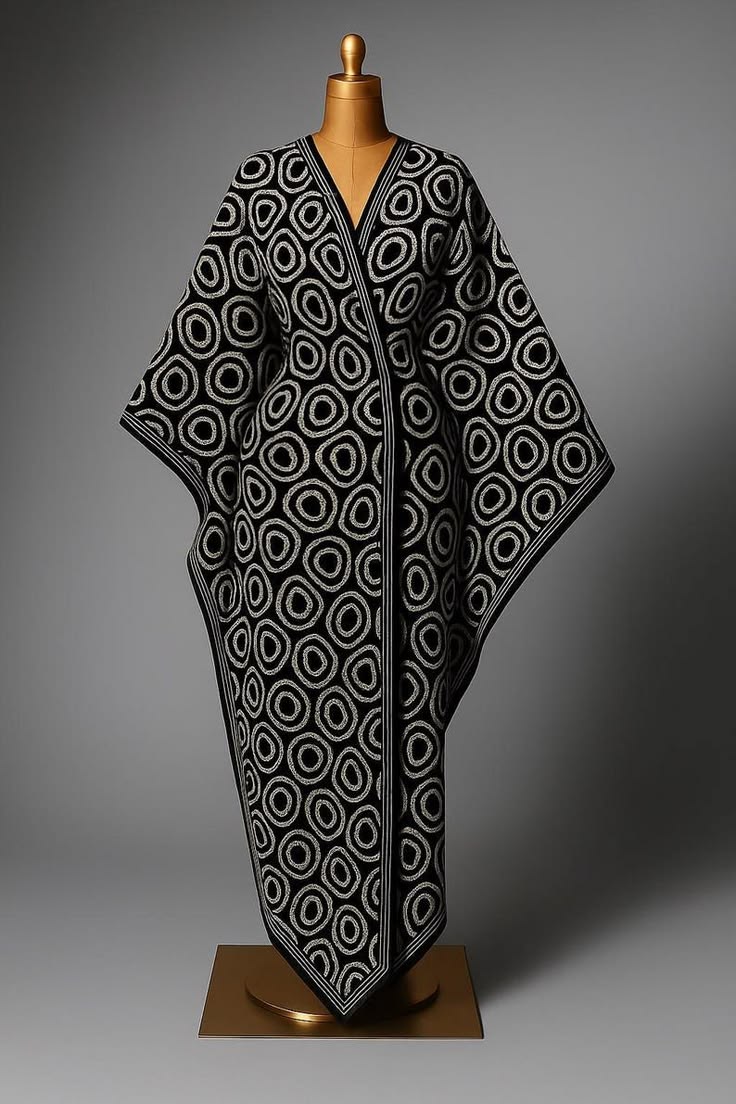
The defining features of the 2026 bubu speak to a broader “elevated” moment for the garment. Statement sleeves — oversized, ruffled, or dramatically batwing — have become close to a signature, alongside structural necklines in V-neck and square silhouettes that give the traditionally loose gown a sharper, more architectural feel. Hidden practical touches, like side pockets, are increasingly expected rather than a bonus. Some of the most talked-about pieces this year pair the gown with flowing trousers underneath, creating a hybrid silhouette that keeps the drama of the bubu while adding a more contemporary, layered finish.
Fabric choice has become just as important as cut. Heavier, textured cord lace — particularly in white, ivory and soft grey — has become the material of choice for formal occasions, prized for holding its shape through long events and resisting snags during dancing. For everyday wear, lighter cotton-lace blends are favored for breathability, while at the luxury end of the market, high-sheen brocades, metallic jacquards and hand-applied beadwork are defining what’s being called a “rich aunty” aesthetic: opulent, structured, and unapologetically dressed-up.
The Bigger Picture
The bubu’s resurgence fits into a broader pattern in African fashion, where garments once seen as strictly traditional are being reclaimed by younger designers and reintroduced to a global audience without losing what made them meaningful in the first place. It isn’t a rejection of the gown’s roots — if anything, it’s a reminder of why the silhouette has endured for generations: it flatters a wide range of body types, adapts to nearly any fabric or embellishment, and manages to feel both deeply cultural and completely current at the same time.
Whether it’s dressed down in Ankara for a Sunday outing or dressed up in beaded silk for a wedding, the bubu gown in 2026 is proving that the most powerful fashion statements are often the ones that never really went away — they just needed the right reintroduction.
